„Nije naša“: Napad panike za trpezarijskim stolom
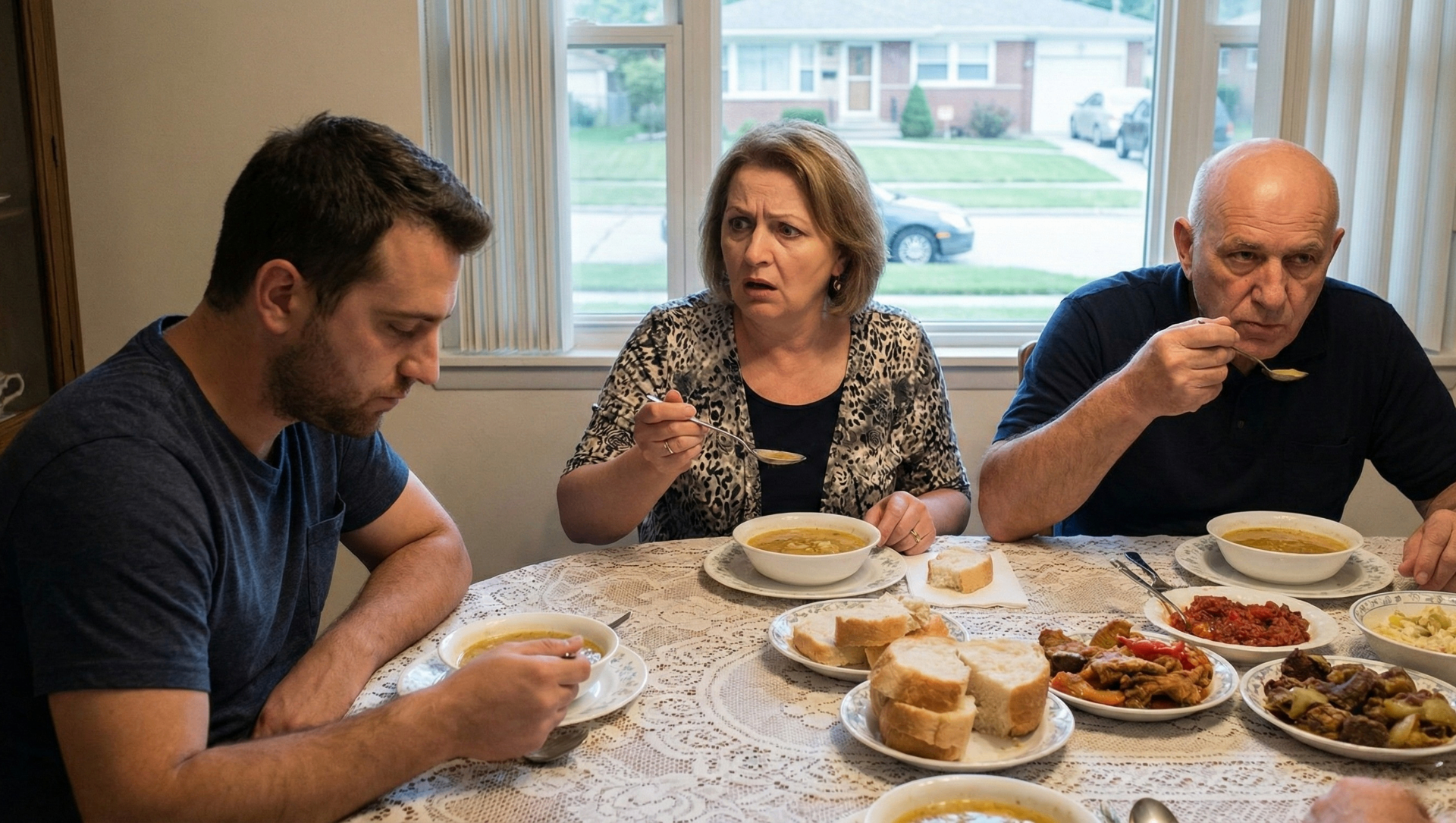
Nedjeljni je ručak. Supa je vruća. Atmosfera je dobra. Sin, koji sada ima 26 godina i dobar posao u logističkoj kompaniji, pročišćava grlo.
„Mama, Babo“, kaže on. „Upoznao sam nekoga.“
Majčine oči zasjaje. Spušta kašiku. „Mašallah, sine. Ko je ona? Čija je? Je li iz Srebrenice? Krajine? Sarajeva?“
Sin gleda u stolnjak. „Zove se Ashley.“
Tišina. Jedini zvuk je otac koji žvače hljeb. Majka izgleda kao da je upravo progutala limun.
„Ešli?“, šapuće ona. „Je li naša?“
„Ne, mama. Amerikanka je.“
I tek tako, tragedija počinje.
Strah od izumiranja
Amerikancu ovo izgleda kao predrasuda. Nije. To je panika.
Kada bosanski roditelj čuje „Ashley“ ili „Jessica“ ili „Molly“, oni ne vide djevojku. Oni vide kraj svoje civilizacije.
Vide budućnost u kojoj niko u kući ne govori bosanski. Vide unučad koja ih zovu „Grandma“ umjesto „Nana“. Vide snahu koja misli da je pita samo „čudna pita“ i koja ne razumije zašto se cipele moraju izuti na vratima.
Preživjeli su rat da bi održali našu kulturu u životu. Sada misle da će Ashley iz predgrađa završiti ono što je rat započeo.
Mit o „Našoj“
Otključaj Cijelu Priču
Pridruži se 3,000+ Bosanaca i Hercegovaca koji ostaju povezani. Verifikuj svoj broj mobitela jednom da čitaš sve članke — plus ekskluzivne novosti iz zajednice.
100% besplatno · Traje 10 sekundi · Samo mobilni telefoni
GLAS NARODA
Voice of the People
Can "Ashley" ever truly become "Naša"?
Have a story to share?
We're built by and for the community. Your stories, news tips, and ideas make this platform what it is.
Join the conversation on Facebook
Follow us for community updates, stories, and events.